
Is It Safe to Travel to Cabo San Lucas? A 2026 Safety Guide
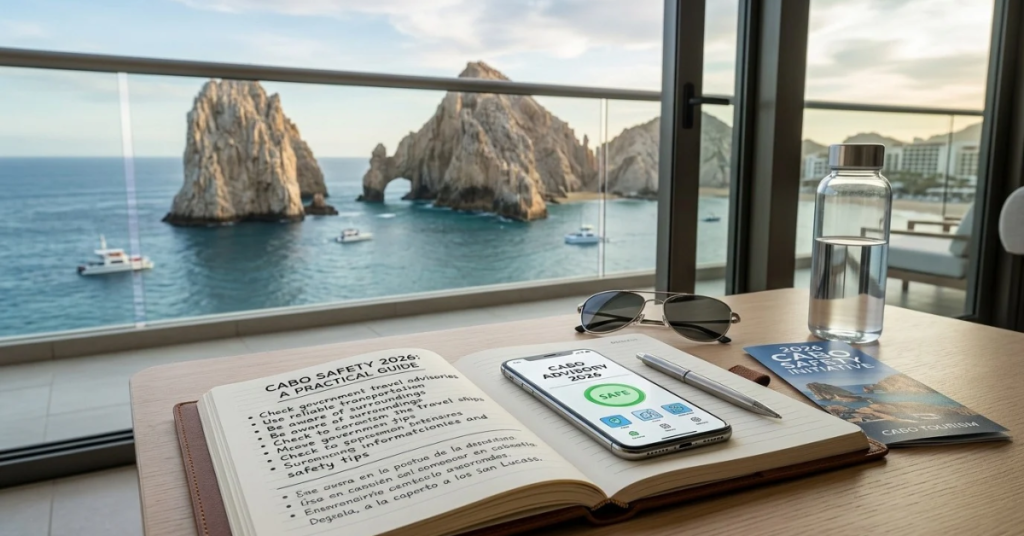
Quick answer: Yes, for most visitors. The U.S. State Department rates Baja California Sur, the state that contains Is It Safe to Travel to Cabo San Lucas, at Level 2: Exercise Increased Caution. Most trips go smoothly. The everyday risks are rip currents, tropical storms, scams, and risky driving, not violent crime. Stay in the tourist corridor, book transport ahead, and respect the ocean.
Information current as of November 11, 2026. Advisories change, so check your government’s travel site before you book.
Key Takeaways
- Baja California Sur is Level 2. Baja California, the northern state with Tijuana, is rated higher at Level 3. Don’t confuse the two.
- Surveys of residents show lower perceived insecurity in Los Cabos than in Mexican cities overall.
- The ocean and weather cause more tourist trouble than crime does.
- Hurricane season officially runs from June through November, and it ends in about three weeks.
- Pre-booked transfers, daytime driving, and sober swimming prevent most problems.
What the Official Travel Advisory Says
The State Department assigns a level to each Mexican state. Its June 2026 update placed Baja California Sur in Level 2, alongside Mexico City, Quintana Roo, and Oaxaca. The advisory cites crimes such as assault, car theft, sexual assault, kidnapping, and homicide across Mexico.
Here is how the four levels work:
| Level | Meaning | Example (2026) |
|---|---|---|
| 1 | Exercise normal precautions | Yucatán, Campeche |
| 2 | Exercise increased caution | Baja California Sur (Cabo), Quintana Roo |
| 3 | Reconsider travel | Baja California, Jalisco |
| 4 | Do not travel | Sinaloa, Michoacán, Guerrero |
Only Campeche and Yucatán sit at Level 1. A Level 2 rating means “be alert.” It does not mean “stay away.” One local tour operator notes that many European countries, including France, Germany, and Italy, carry the same level.
Canadian, British, and other governments publish their own advice. Check yours.
What the Safety Data Shows
Mexico’s national statistics agency (INEGI) surveys residents about how safe they feel. In the first quarter of 2026, 34.7% of surveyed adults in Los Cabos called their city unsafe, against a national urban average of 61.5%. The second-quarter figure was 39.5%.
Two caveats apply. The survey measures perception, not crime counts. The figure also moved up between quarters, so don’t treat it as a guarantee.
Visitor volume offers another signal. Los Cabos received about 52,000 spring breakers in March 2026, and local reporting described no safety concerns.
The Real Risks in Cabo San Lucas
1. The Ocean
The Pacific side of Cabo has strong currents, shore breaks, and sudden drop-offs. Many beaches carry warnings against swimming. One Los Cabos travel publication calls the ocean the first of the biggest safety issues travelers face.
- Swim at calm, protected beaches such as Medano Beach.
- Obey the flag colors and posted warnings.
- Never swim after drinking.
- Use licensed operators for boat and water-sport activities.
2. Tropical Storms and Flooding
Weather is a real concern in autumn. Tropical Storm Vance triggered flooding, rescues, and closures in Los Cabos in late October 2026.
Los Cabos now has 29 certified hotels that serve as official hurricane shelters. If you travel between June and November, buy travel insurance with weather coverage, and monitor forecasts a week out.
3. Petty Crime and Scams
Pickpocketing and overcharging occur in busy tourist zones. One travel-safety roundup describes the main friction as commercial interactions rather than violence. Expect aggressive timeshare and tour pitches.
- Say “no, gracias” firmly and keep walking.
- Never accept a “free” breakfast or tour tied to a presentation unless you want one.
- Check prices before you order, and review your bill.
- Carry one card and a small amount of cash. Leave your passport in the hotel safe, and carry a photo of it.
4. Driving and Transportation
State police have increased patrols on Highway 1, the main road between the airport and the tourist zones. Authorities have also expanded visible security and traffic enforcement across tourist corridors.
- Pre-book your airport transfer.
- Agree on a taxi fare before you get in.
- Avoid driving at night on rural roads.
- Never drive after drinking. Expect checkpoints, especially during peak weeks.
5. Nightlife and Alcohol
Cabo’s bar scene is lively, and most incidents involve alcohol. Watch your drink, stay with your group, and use a licensed ride home.
Which Areas Are Safest?
| Area | Typical Experience | Notes |
|---|---|---|
| Resort corridor (Pedregal, Tourist Corridor) | Very secure, private security | Best for families and first-timers |
| Marina and Medano Beach | Busy, well-patrolled | Watch for pushy vendors and pickpockets |
| Downtown Cabo San Lucas | Lively, walkable | Stick to lit, populated streets at night |
| Unlit residential neighborhoods | Little tourist infrastructure | Skip them after dark |
Safety Tips by Traveler Type
First-Time Tourists and Vacationing Families
- Choose a resort or a hotel near the marina.
- Pick calm beaches and watch children closely near water.
- Keep emergency numbers and your hotel address on your phone.
- Confirm that your travel insurance covers medical care abroad.
Solo Travelers and Women Travelers
- Share your itinerary with someone at home.
- Use pre-booked or hotel-arranged rides at night.
- Keep a close eye on your drink, and never leave it unattended.
- Choose accommodation with strong reviews for security and location.
- Trust your instincts, and leave any situation that feels wrong.
Resort-Goers and Activity Travelers
- Book snorkeling, diving, ATV, and boat trips with reviewed, licensed operators.
- Drink bottled or purified water, and use sunscreen and hydration breaks.
- Follow the guide’s safety briefings.
- Leave valuables in the room safe.
Your Pre-Trip Safety Checklist
- Check the current advisory at travel.state.gov (or your own government’s site).
- Enroll in your government’s traveler alert program, such as STEP for U.S. citizens.
- Buy travel insurance with medical and weather coverage.
- Pre-book your airport transfer.
- Save your embassy or consulate contact details.
- Copy your passport, and store the copy separately.
- Review the forecast a week before departure.
Frequently Asked Questions
Is Cabo San Lucas safe for tourists right now?
Most tourists have trouble-free trips. The main risks are ocean hazards, weather, scams, and drunk driving. Violent crime rarely involves visitors in the resort zones, but advisories can change.
What is the U.S. travel advisory for Cabo San Lucas?
The State Department lists Baja California Sur at Level 2, Exercise Increased Caution. Verify the level on travel.state.gov before you book.
Is Cabo safe for solo female travelers?
Many women travel to Cabo alone. Use pre-booked rides at night, watch your drinks, stay in well-reviewed areas, and share your plans with someone at home.
Is Cabo safe for families with kids?
Yes. Families commonly choose resorts in the tourist corridor. Supervise children closely near the ocean, and pick calm beaches.
Is it safe to drink the water in Cabo San Lucas?
Drink bottled or purified water. Most resorts and restaurants use filtered water and ice, but ask if you are unsure.
Is it safe to leave the resort?
Yes, with common-sense precautions. Stay in busy, well-lit areas, and use licensed transport.
When is the safest time to visit Cabo?
Safety from storms is best outside hurricane season. If you travel from June to November, buy insurance and watch the forecast. High season, from about December to April, brings crowds and heavier security.
Conclusion
So, is it safe to travel to Cabo San Lucas? For most visitors, yes, provided you plan sensibly. Check the current advisory, avoid the ocean’s danger zones, watch the weather, and use trusted transport.
Travelers who follow those steps usually come home with sunburns and good stories, not safety problems.
I used the official advisory levels and the INEGI survey figures reported by local and travel outlets. Some of the local coverage comes from tourism-focused publications, so I weighted the government sources most heavily. I can also turn this into a printable safety checklist or adapt it for a specific audience, such as families or solo women travelers.