
Is Cancun Safe to Travel Right Now? A 2026 Safety Update
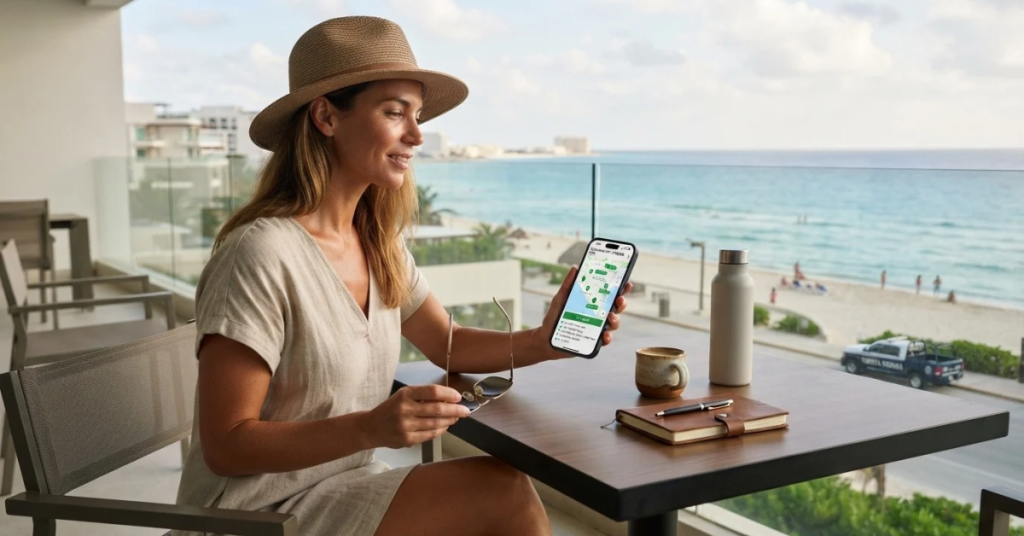
Quick answer: For most visitors, yes, with normal big-city caution. The U.S. State Department advises travelers to exercise increased caution in Quintana Roo, the state that contains Is Cancun Safe to Travel Right Now, which is Level 2. Stick to the Hotel Zone and tourist areas, use trusted transport, and watch for scams.
Information current as of November 19, 2026. Advisories can change quickly, so check your government’s travel site before you book or fly.
Key Takeaways
- Quintana Roo is Level 2, not the higher levels that apply to other Mexican states.
- The latest U.S. advisory update in the sources I found came on May 29, 2026. I found no newer one as of mid-November.
- The advisory still warns that crime can happen in tourist areas.
- Hurricane season ends November 30. Sargassum seaweed and scams are the most common nuisances.
- The Hotel Zone is the easiest area to manage. Take extra care downtown after dark.
- Travel insurance and licensed tour operators prevent most avoidable problems.
What the Official Advisory Says
Quintana Roo carries a Level 2 rating, the same level the U.S. gives countries such as France, Germany, and the United Kingdom. Other states, including Michoacán, Colima, Sinaloa, Zacatecas, and Tamaulipas, carry Level 4 “Do Not Travel” ratings.
The advisory does not minimize risk, though. It says U.S. citizens have been victims of both nonviolent and violent crime in tourist and non-tourist areas. It also states that criminal activity and violence may occur at any location and time, including popular tourist destinations.
Here is how the scale works:
| Level | Meaning | Where Cancun Falls |
|---|---|---|
| 1 | Exercise normal precautions | Not Cancun |
| 2 | Exercise increased caution | Quintana Roo (Cancun) |
| 3 | Reconsider travel | Not Cancun |
| 4 | Do not travel | Not Cancun |
Canadian, British, and other governments publish their own advice. Read yours.
What Has Changed in 2026?
Violence in Jalisco in early 2026 made headlines and worried travelers. Reports at the time raised the question of whether Cancun was safe.
The disruption reached Quintana Roo briefly. The U.S. Embassy issued a security alert after vehicles and businesses were set on fire across the state, and it later confirmed that the situation had returned to normal in Cancun, Cozumel, Playa del Carmen, and Tulum. The state government said on February 23 that tourism activity in the Mexican Caribbean continued to operate normally.
That episode shows why you should check alerts before you travel. It also shows that conditions can change within days and then settle.
Current Risks to Plan For
1. Crime and Personal Security
Most tourist problems involve petty theft and scams, not violence. The State Department’s advice for Quintana Roo is practical:
- Avoid remote areas, avoid traveling alone, and avoid driving between cities after dark.
- Comply with instructions at official checkpoints.
- U.S. government employees stay alert after dark in downtown areas of Cancun, Tulum, and Playa del Carmen.
2. Scams and Overcharging
These tricks reach nearly every tourist city. In Cancun, watch for:
- Airport “information desks” that are really timeshare sales booths
- Unmarked taxis that quote high fares or refuse to use the meter
- Aggressive tour and timeshare pitches that offer “free” breakfasts or tours
- Bad exchange rates at street kiosks and some airport counters
Say “no, gracias,” keep walking, and settle prices before you ride or order.
3. Alcohol and Nightlife
Spring breakers and party travelers face their own risks, mostly from drinking. Reports of counterfeit or tainted alcohol in Mexico make it worth drinking only at licensed venues and watching your drink. Never swim, drive, or climb balconies after drinking.
4. Weather and Hurricane Season
The Atlantic hurricane season runs from June 1 to November 30. One planning guide calls direct hits on Cancun rare, with the peak window running from mid-August to mid-October. The season ends in about ten days, but check forecasts before any late-November trip.
Buy travel insurance that covers weather disruptions, and ask your hotel about its cancellation terms.
5. Sargassum Seaweed
Sargassum is a nuisance, not a danger. Reporters covered a large Caribbean seaweed bloom in August 2026. The seaweed spoils beach days and creates odors, and conditions change week to week. Check current beach reports, and consider Isla Mujeres if the Hotel Zone beaches look bad.
6. Ocean Safety
Watch the beach flag colors, and obey them. Red flags mean dangerous currents. Choose beaches with lifeguards, and avoid swimming alone.
Which Areas Are Safest?
| Area | Typical Experience | Notes |
|---|---|---|
| Hotel Zone (Zona Hotelera) | Heavy security, tourist-focused | Easiest for first-timers and families |
| Isla Mujeres | Small, relaxed island | Short ferry ride from the mainland |
| Downtown (El Centro) | Lively and local | Use extra awareness after dark |
| Remote roads and unfamiliar neighborhoods | Little tourist infrastructure | Avoid, especially at night |
Visitors often report a strong security presence. One traveler in August 2026 described normal security at a Cancun resort and saw local police, the Army, the Navy, and the National Guard along the highways. Treat that as one person’s impression, not a guarantee.
Safety Tips by Traveler Type
First-Time Vacationers and Families
- Choose a resort or hotel in the Hotel Zone.
- Book airport transfers before you leave home.
- Keep your hotel’s name and address saved on your phone.
- Buy insurance that covers medical care abroad.
- Supervise children near the water, and respect beach flags.
Solo Travelers and Solo Female Tourists
- Share your itinerary with someone at home.
- Use pre-booked or hotel-arranged rides at night.
- Keep your drink in your hand or in sight.
- Choose lodging with strong recent reviews on security and location.
- Leave any situation that feels wrong, and tell staff if someone follows or harasses you.
Spring Breakers and Excursion Planners
- Book tours with licensed, well-reviewed operators.
- Confirm that the operator carries insurance and provides life jackets or safety gear.
- Skip water activities after drinking.
- Keep valuables in the hotel safe, and carry a photo of your passport.
- Watch the date of your trip against hurricane season and local events.
Your Cancun Pre-Trip Safety Checklist
- Check the current advisory at travel.state.gov (or your own government’s site).
- Enroll in your government’s traveler alert program, such as STEP for U.S. citizens.
- Buy travel insurance with medical and weather coverage.
- Pre-book your airport transfer.
- Save your embassy or consulate contact details.
- Copy your passport and store the copy separately.
- Check the weather and sargassum reports a few days before departure.
Frequently Asked Questions
Is Cancun safe to travel right now?
Most visitors have trouble-free trips, especially in the Hotel Zone. The U.S. advisory for Quintana Roo is Level 2, so use increased caution, and check for fresh alerts before you go.
What is the U.S. travel advisory level for Cancun?
Quintana Roo is rated Level 2: Exercise Increased Caution. Verify the current level on travel.state.gov.
Is Cancun safe for solo female travelers?
Many women travel to Cancun alone. Use pre-booked rides at night, watch your drinks, and stay in well-reviewed areas.
Is Cancun safe for families with kids?
Yes. Families commonly choose resorts in the Hotel Zone. Supervise children near water, and follow beach flag warnings.
Is Cancun safe during hurricane season?
Usually, yes, and direct hits are rare. The season ends November 30, but buy insurance and watch forecasts if you travel before then.
Is it safe to leave the resort?
Yes, with common-sense precautions. Stay in busy, well-lit areas, and use licensed transport.
Should I cancel my trip because of news headlines?
Check the official advisory and your embassy’s alerts for Quintana Roo specifically. Headlines about other Mexican states do not automatically apply to Cancun.
Conclusion
So, is Cancun safe to travel right now? For most visitors, yes, if you plan sensibly. Check the current advisory, choose your area carefully, avoid scams, and respect the ocean and the weather.
Travelers who follow those steps usually return with sunburns and good stories, not safety problems.