
Is It Safe for Americans to Travel to Mexico? A 2026 Guide by State
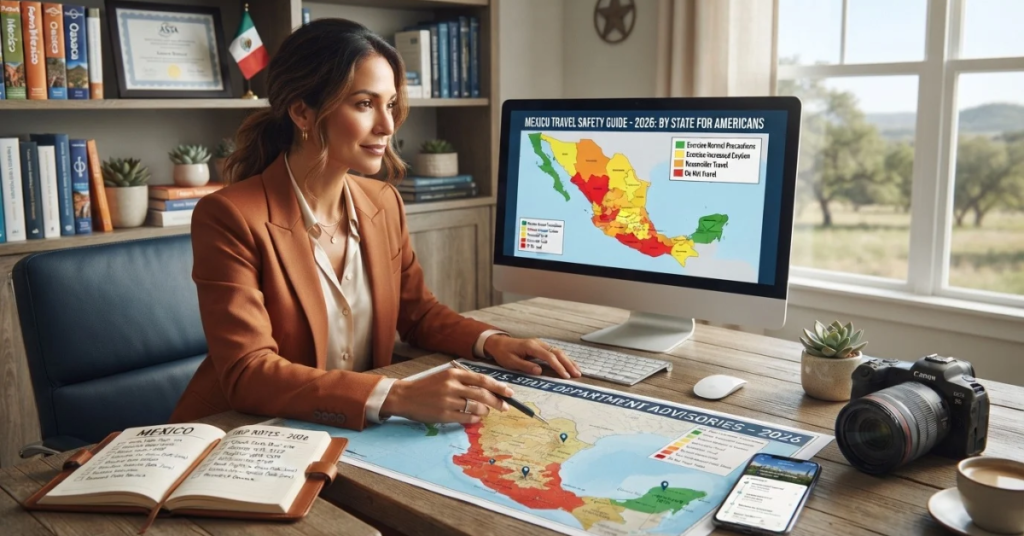
Quick answer: Yes, for most trips to the right places, with planning. Is It Safe for Americans to Travel to Mexico is large, and safety varies by state. The U.S. State Department rates the country overall at Level 2: Exercise Increased Caution, but six states carry Level 4 “Do Not Travel” warnings: Colima, Guerrero, Michoacán, Sinaloa, Tamaulipas, and Zacatecas. Choose your destination by state, not by country.
Information current as of November 19, 2026. Advisories change, so check travel.state.gov before you book or cross.
Key Takeaways
- Check the state, not just the country. Levels range from 1 to 4 within Mexico.
- The most recent advisory I found was issued on May 29, 2026. I found no newer update.
- Popular resort areas such as Cancun, Los Cabos, and Mexico City sit at Level 2.
- Road-trippers need Mexican auto insurance, because a U.S. policy does not count.
- Obey checkpoint instructions every time.
- Border crossers should note that some border states carry higher levels.
What the Current Advisory Says
The advisory flags terrorism, crime, and kidnapping, and says some areas carry increased risk. It lists violent crimes such as homicide, kidnapping, carjacking, and robbery.
Here is how the levels break down by state:
| Level | Meaning | States |
|---|---|---|
| 1 | Normal precautions | Campeche and Yucatán |
| 2 | Increased caution | Quintana Roo, Baja California Sur, Nayarit, and Nuevo León, plus Mexico City |
| 3 | Reconsider travel | Baja California, Chihuahua, Guanajuato, and Jalisco, plus a few more |
| 4 | Do not travel | Colima, Guerrero, Michoacán, Sinaloa, Tamaulipas, Zacatecas |
Outlets count the Level 3 group differently. One report lists seven states, including Sonora, while another lists eight, adding Chiapas, Coahuila, and Morelos. Check the official list for your exact destination.
Popular Destinations at a Glance
| Destination | State | Level | Note |
|---|---|---|---|
| Cancun and the Riviera Maya | Quintana Roo | 2 | Heavy tourism infrastructure |
| Los Cabos | Baja California Sur | 2 | Resort corridor is easiest |
| Mexico City | Mexico City | 2 | Stay alert in crowded areas |
| Oaxaca | Oaxaca | 2 | Check for road and protest alerts |
| Mérida | Yucatán | 1 | One of the two lowest-risk states |
| Guadalajara | Jalisco | 3 | Jalisco is classified at Level 3. |
| Tijuana | Baja California | 3 | Many day-trippers cross here |
Level 2 is the same rating the U.S. gives France, Germany, and the United Kingdom. It signals “be alert,” not “stay away.”
What Changed in 2026?
Violence in Jalisco in early 2026 drew national headlines. The effects briefly reached other states. The U.S. Embassy issued a security alert when vehicles and businesses burned across Quintana Roo, and it later confirmed that the situation had returned to normal in Cancun, Cozumel, Playa del Carmen, and Tulum.
The World Cup also prompted a fresh advisory. The May 29 reissue kept Mexico at Level 2 and added guidance for visiting fans.
The lesson: conditions can shift fast and settle fast. Sign up for alerts before you go.
The Real Risks for American Travelers
Crime
Most visitors face petty theft, scams, and overcharging. Serious violence concentrates in specific regions, which is why state levels matter.
Road Safety and Checkpoints
The advisory tells travelers to follow instructions at road checkpoints, warning that fleeing or ignoring orders can lead to injury or death. Also note that U.S. government employees generally may not drive between Mexican border cities and the interior. Treat that as a signal to be careful on those routes.
Scams
Expect aggressive timeshare pitches, inflated taxi fares, and bad exchange rates. Settle prices first, use licensed transport, and decline “free” offers tied to sales presentations.
Alcohol and Nightlife
Drink at licensed venues, watch your glass, and never drive after drinking. Counterfeit alcohol has harmed tourists in Mexico in past years.
Entry Requirements for Americans
- Tourism: U.S. citizens need no tourist visa for stays up to 180 days.
- FMM tourist permit: Every non-Mexican visitor needs one, and it is free for stays under seven days. It costs about $57 for longer stays, and the fee is included in airfare for air travelers.
- Length of stay: The immigration officer decides how many days you get, so check the number stamped on your permit.
- Land travel: You need an FMM anywhere in Mexico, including border towns.
Entry rules change, so confirm them with Mexican immigration or a consulate.
Tips for First-Time U.S. Vacationers and Resort Families
- Pick destinations at Level 1 or Level 2.
- Book airport transfers before you land.
- Stay in the resort or tourist zone after dark, and use licensed taxis or hotel cars.
- Buy travel insurance with medical coverage and evacuation.
- Check beach flags, and supervise children near the water.
Tips for American Road-Trippers, Snowbirds, and Border Crossers
Driving Rules to Know
| Requirement | What to Know |
|---|---|
| Mexican auto insurance | Mexico does not recognize foreign liability insurance. |
| Vehicle import permit (TIP) | You need one if you drive beyond the free zone. |
| TIP source | Only Banjercito issues it, and you must show Mexican insurance. |
| Returning the TIP | Return it when you leave, or you forfeit your deposit and risk trouble on future trips. |
| Baja California | The peninsula is a free zone, so you need no TIP. |
Route and Safety Tips
- Drive in daylight, and use toll roads (cuotas) when you can.
- Avoid driving through Level 3 and Level 4 states unless you have a clear reason and current local information.
- Check which border crossing you use. Tamaulipas, which borders Texas, is a Level 4 state, and Baja California, Chihuahua, and Sonora are Level 3.
- Carry your passport or passport card, driver’s license, registration, insurance, and permits.
- Pull over only in safe, well-lit places.
Snowbirds
- Plan for the 180-day cap. Stays beyond 180 days require a Mexican resident visa.
- Buy health coverage. U.S. Medicare generally does not pay for care abroad, so arrange travel health insurance and medical evacuation.
- Register with the embassy’s alert program.
Tips for Solo Travelers and Digital Nomads
- Share your itinerary and check in regularly.
- Choose neighborhoods with strong reviews, good lighting, and busy streets.
- Use ride-hailing or pre-booked rides at night.
- Keep copies of your passport and permit in cloud storage.
- Talk to a Mexican consulate or an immigration attorney about remote work and long stays. Tourist status has limits, and rules change.
- Keep emergency contacts and your embassy’s number in your phone.
Pre-Trip Safety Checklist
- Read the current advisory for your specific state at travel.state.gov.
- Enroll in STEP, the State Department’s traveler alert program.
- Buy travel insurance with medical and evacuation coverage.
- Arrange transport before you arrive.
- Get Mexican auto insurance if you plan to drive.
- Save your embassy or consulate contact details.
- Copy your passport and permit.
Frequently Asked Questions
Is it safe for Americans to travel to Mexico right now?
For most tourist destinations, yes, with caution. The country is Level 2 overall, and each state has its own rating.
Which Mexican states should Americans avoid?
The State Department says “Do Not Travel” for Colima, Guerrero, Michoacán, Sinaloa, Tamaulipas, and Zacatecas. It says “Reconsider Travel” for several more.
Is Cancun safe for Americans?
Quintana Roo is Level 2, and most visitors have trouble-free trips, especially in the hotel zone. Take normal big-city precautions.
Do Americans need a visa for Mexico?
Not for tourism up to 180 days. You do need an FMM tourist permit.
Can I drive into Mexico with my U.S. car insurance?
No. You need a separate Mexican auto liability policy.
Is it safe to drive in Mexico?
Many Americans drive there safely. Use daylight, toll roads, and current route information, and avoid high-risk states.
Is Mexico safe for solo female travelers?
Many women travel there alone. Use pre-booked rides at night, watch your drinks, and choose well-reviewed lodging.
Is it safe to cross the border for a day trip?
It depends on the crossing. Check the level for the specific state and city before you go.
Conclusion
So, is it safe for Americans to travel to Mexico? For most tourists in the right places, yes. Check the state-level advisory, avoid the highest-risk regions, use licensed transport, and carry the right permits and insurance.
Plan the trip around the specific place, not the headline, and you will travel with far more confidence.