
When Is the Best Time to Visit Peru? The Complete Month-by-Month Guide
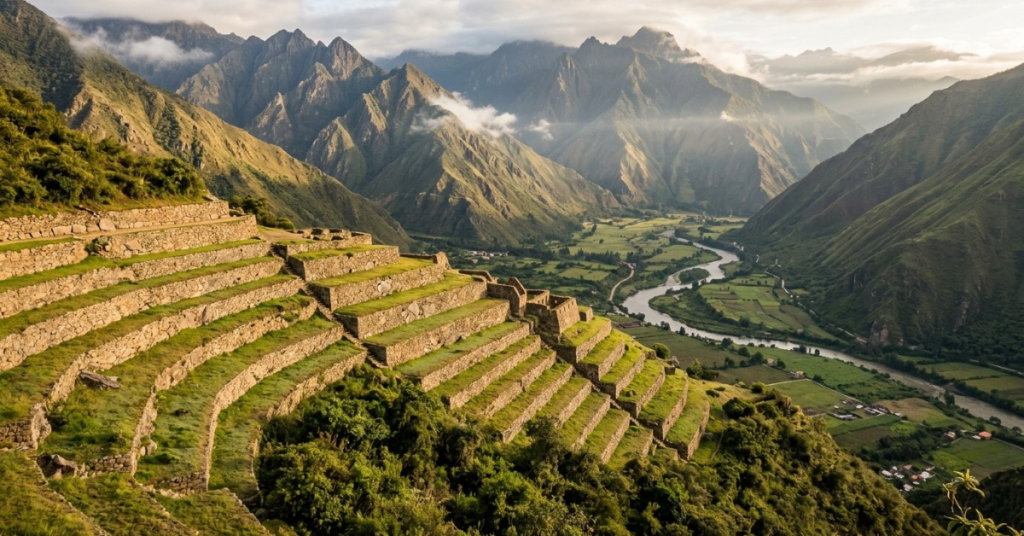
The short answer: The best time to visit Peru is May through September, during the Andean dry season. Skies stay clear, trails stay firm, and Machu Picchu looks its best.
Adventure and hiking enthusiasts should aim for May to September. History and culture lovers should target April to June or September to October, when weather stays good and crowds ease. International travelers who want a balance of value and comfort should book April, May, September, or October.
Key Takeaways
- Best overall: May through September (dry season)
- Best for Machu Picchu and the Inca Trail: May to September
- Best for fewer crowds with good weather: April to May and September to October
- Best for the Amazon rainforest: May to October (drier months)
- Best for Lima and the coast: December to April (sunny season)
- Wettest months in the Andes: December through March, with February the wettest
- Busiest months: July and August
Why Timing Matters So Much in Peru
Peru stretches across three very different regions: a dry Pacific coast, the high Andes, and the Amazon rainforest. Each region follows its own weather pattern.
The Andes drive most travel decisions. Machu Picchu, Cusco, and the Sacred Valley enjoy a clear dry season and a rainy season, and the difference shapes your entire trip.
The coast flips the pattern. Lima feels warm and sunny in summer but turns gray and misty in winter.
Peru Seasons at a Glance
Use this table to compare the main travel windows.
| Season | Months | Andes Weather | Crowds | Prices | Best For |
|---|---|---|---|---|---|
| Peak dry season | June to August | Dry, sunny days, cold nights | Highest | Highest | Inca Trail, trekking, clear views |
| Shoulder season | April to May, September to October | Mostly dry, mild | Moderate | Moderate | Culture, value, comfortable hiking |
| Wet season | November to March | Rainy, green, misty | Lowest | Lowest | Budget travel, lush scenery, fewer crowds |
Season dates vary by region, so confirm details when you book tours and trains.
Peru Weather by Month
Weather varies sharply with altitude and region. Cusco sits at about 3,400 meters (11,150 feet), so nights turn cold even when days feel warm.
The figures below are approximate averages. Actual conditions vary from year to year.
| Month | Lima High | Cusco Low | Andes Conditions |
|---|---|---|---|
| January | 27°C / 81°F | 7°C / 45°F | Wet, green, frequent rain |
| February | 28°C / 82°F | 7°C / 45°F | Wettest month, Inca Trail closed |
| March | 28°C / 82°F | 7°C / 45°F | Wet, rain starts to ease late month |
| April | 26°C / 79°F | 5°C / 41°F | Drying out, lush scenery |
| May | 23°C / 73°F | 2°C / 36°F | Dry, clear, fewer crowds |
| June | 21°C / 70°F | 0°C / 32°F | Dry, cold nights, festivals |
| July | 20°C / 68°F | -1°C / 30°F | Dry, busiest, very cold nights |
| August | 19°C / 66°F | 1°C / 34°F | Dry, windy, still busy |
| September | 20°C / 68°F | 3°C / 37°F | Dry, warming, crowds ease |
| October | 22°C / 72°F | 5°C / 41°F | Mostly dry, showers return |
| November | 24°C / 75°F | 6°C / 43°F | Rain builds, quiet trails |
| December | 26°C / 79°F | 7°C / 45°F | Wet season begins, holiday demand |
The Best Time to Visit Peru by Traveler Type
Your ideal month depends on your goals. Here is how to match your trip to your travel style.
Best Time for Adventure and Hiking Enthusiasts
Choose May through September for trekking. Trails stay dry, mountain views stay clear, and campsites stay comfortable.
The Inca Trail closes every February for maintenance. Permits sell out months ahead for the dry season, so reserve through a licensed operator as early as possible.
Adventure highlights by season:
- Dry season (May to September): Inca Trail, Salkantay Trek, Ausangate, Santa Cruz Trek, and Huayhuash circuit hikes. Mountaineering in the Cordillera Blanca also peaks.
- Shoulder season (April and October): Quieter trails and lush scenery, with some showers.
- Wet season (November to March): Muddy trails and cloud cover, but fewer hikers. Many treks run with limited visibility.
- Year-round: Sandboarding near Huacachina, surfing along the north coast, and cycling in the Sacred Valley.
Hiking tips that save time and stress:
- Book permits early, especially for the Inca Trail in June through August.
- Acclimatize in Cusco or the Sacred Valley for at least two days before you trek.
- Pack layers. Daytime sun feels warm, while nights can drop below freezing.
- Hire licensed guides and porters through reputable operators.
- Carry rain gear, even in the dry season, because mountain weather changes quickly.
- Train before you go. Altitude and long climbs test your fitness.
Best Time for History and Culture Enthusiasts
Aim for April to June or September to October. You see Machu Picchu, Cusco, and the Sacred Valley in good weather, and you avoid the thickest July and August crowds.
Culture lovers should also plan around festivals. Peru’s calendar fills with Inca heritage celebrations, religious processions, and regional fiestas.
Culture highlights by season:
- Machu Picchu: Visit in the dry season for clear views, but book timed-entry tickets through official channels well in advance.
- Cusco and the Sacred Valley: Explore Inca ruins, markets, and colonial streets in any season.
- Lima: Enjoy museums, historic districts, and food year-round. The city offers some of South America’s best dining.
- Lake Titicaca: Visit between May and October for clearer skies and calmer days.
- Nazca and the Colca Canyon: Both work well in the dry season. Condor viewing at Colca peaks in the morning hours.
Best Time for International Travelers and Vacation Planners
Target April, May, September, and October for the best balance of weather, value, and availability. Hotels and trains stay easier to book, and tours run smoothly.
Book flights early if you plan to travel in July or August. Peru also draws large crowds around the Fiestas Patrias holiday in late July.
Planning tips for international visitors:
- Book Machu Picchu tickets and trains early, especially for June through August.
- Combine regions. Pair Lima, Cusco, and the Sacred Valley, then add the Amazon or Lake Titicaca.
- Allow buffer days for altitude adjustment and weather delays.
- Choose reputable operators with strong safety and sustainability records.
- Buy travel insurance that covers altitude trekking and medical care.
- Check entry and health requirements with official government sources before you fly.
Month-by-Month Guide to Visiting Peru
December to March: The Wet Season
Rain falls most days in the Andes, and clouds often hide mountain views. Landscapes turn lush and green, and crowds drop.
February brings the heaviest rain, and the Inca Trail closes for the month. Lima, meanwhile, enjoys its sunniest, warmest weather.
Best for: budget travelers, Lima and coastal trips, and travelers who accept rain risk.
April to May: The Sweet Spot
The rains fade, the hills glow green, and crowds stay manageable. Many seasoned travelers consider this the best time to visit Peru.
May delivers dry weather and clear skies without peak-season pressure. Book early, because permits and trains still fill up.
Best for: hikers, culture seekers, and travelers who want value without sacrificing weather.
June to August: Peak Season
Weather stays dry and sunny, and mountain views reach their best. Crowds, prices, and demand reach their yearly peak.
Nights turn very cold in the highlands, so pack serious layers. Lima turns gray and cool, so plan your coast time carefully.
Best for: the Inca Trail, trekking, festivals such as Inti Raymi in Cusco, and first-time visitors who want the clearest weather.
September to October: Quiet and Comfortable
Temperatures rise, crowds thin, and trails stay in good condition. Showers begin to return in October, but most days remain pleasant.
Prices ease from the summer peak, and availability improves. This window offers one of the best overall balances.
Best for: hikers, culture travelers, and visitors who want better value.
November: Transition Month
Rain builds across the Andes, and trails grow muddy. Crowds stay small, and prices stay low.
Weather varies widely, so build flexibility into your itinerary.
Best for: budget travelers and flexible planners.
Best Time to Visit Peru by Region
Peru’s regions behave differently, so choose your month based on where you plan to spend your time.
| Region | Best Months | Why |
|---|---|---|
| Cusco, Sacred Valley, Machu Picchu | May to September | Dry, clear weather and firm trails |
| Lima and the central coast | December to April | Sunny, warm weather and clear skies |
| Amazon (Iquitos, Puerto Maldonado, Manu) | May to October | Drier conditions and easier wildlife viewing |
| Arequipa and Colca Canyon | April to December | Dry weather and reliable condor sightings |
| Lake Titicaca (Puno) | May to October | Clear days, with very cold nights |
| Northern beaches (Máncora) | December to April | Warm sea and sunny weather |
| Cordillera Blanca (Huaraz) | May to September | Dry season for trekking and mountaineering |
Festivals and Events That Can Shape Your Trip
Events add color to your trip, but they also affect crowds and prices.
- Carnival (February): Water games and parades fill towns across the Andes.
- Semana Santa (March or April): Holy Week brings processions, especially in Cusco and Ayacucho.
- Qoyllur Rit’i (late May or June): Pilgrims gather in the mountains near Cusco for a major Andean festival.
- Inti Raymi (June 24): Cusco celebrates the Inca sun festival with a large public ceremony.
- Fiestas Patrias (July 28 to 29): Peru’s Independence holidays raise domestic travel and prices.
- Señor de los Milagros (October): Lima holds large religious processions.
Event dates change, so check official calendars before you finalize your plans.
Which Peru Month Fits You Best? Quick Decision Guide
| If you want… | Visit in… |
|---|---|
| The clearest Machu Picchu views | May to September |
| The Inca Trail | May to September (book early) |
| Fewer crowds with good weather | April, May, September, October |
| The lowest prices | November to March (excluding holidays) |
| Sunny Lima and beach weather | December to April |
| Amazon wildlife | May to October |
| Festivals and culture | June (Inti Raymi) |
Common Mistakes When Planning a Peru Trip
Avoid these frequent errors to protect your time, health, and budget.
- Skipping acclimatization. Altitude sickness can ruin a trip, so rest and hydrate in Cusco before you climb.
- Booking permits and tickets too late. Inca Trail permits and Machu Picchu tickets sell out early.
- Underestimating cold nights. Highland nights can fall below freezing in June and July.
- Packing only for the sun. Pack rain gear year-round, since weather changes fast.
- Visiting Lima in winter and expecting sunshine. Coastal fog and clouds dominate from roughly May to November.
- Overpacking the itinerary. Altitude, travel days, and weather slow you down.
- Using unlicensed operators. Choose certified guides and reputable companies for treks.
Practical Planning Tips Before You Go
- Getting there: Lima’s Jorge Chávez International Airport (LIM) serves most international flights, and domestic flights connect to Cusco, Arequipa, and the Amazon. Confirm which airport serves Cusco when you book, because airport arrangements can change.
- Getting around: Domestic flights, trains to Machu Picchu, buses, and private drivers cover most routes. Book trains early in peak season.
- Where to stay: Stay in Cusco for history and access, the Sacred Valley for a lower altitude and calmer pace, and Miraflores or Barranco in Lima for dining and sea views.
- Pack smart: Bring layers, waterproof gear, sturdy hiking shoes, sun protection, and a warm hat for cold nights.
- Protect your health: Talk with a doctor about altitude, vaccinations, and any medication before you travel.
- Check current rules: Ticketing, entry requirements, and site regulations can change, so verify details with official sources before you go.
Frequently Asked Questions
When is the best time to visit Peru for good weather and fewer crowds?
April to May and September to October offer a strong mix of good weather and thinner crowds. Prices also run lower than in July and August.
What is the best month to visit Machu Picchu?
May, June, and September offer clear weather with manageable crowds. July and August bring the clearest skies but also the biggest crowds.
What is the rainy season in Peru?
The Andean rainy season runs from roughly November to March, with February the wettest month. Rain often arrives in the afternoon and evening.
Is Peru worth visiting in the wet season?
Yes, if you value lower prices and lush scenery. Expect cloud cover and muddy trails, and note that the Inca Trail closes in February.
What is the cheapest time to visit Peru?
November through March, outside the Christmas and New Year’s weeks, usually brings the lowest prices. Expect more rain in the Andes.
What is the best time to visit the Amazon in Peru?
May through October offers drier weather and easier travel. Wildlife viewing works year-round, but river levels and access change with the seasons.
How many days do you need in Peru?
Most travelers enjoy 10 to 14 days. That timeframe lets you combine Lima, Cusco, Machu Picchu, and the Sacred Valley, with extra time for the Amazon or Lake Titicaca.
Final Verdict: When to Book Your Peru Trip
For most travelers, the best time to visit Peru falls between May and September. You enjoy dry weather, clear mountain views, and the full range of treks and cultural sites.
Choose April, May, September, or October for the best balance of weather, value, and crowds. Pick December to April if Lima and the coast lead your plans.
Decide your priorities, book early, and Peru will deliver.