
Can US Citizens Travel to Russia? Complete Q&A Guide
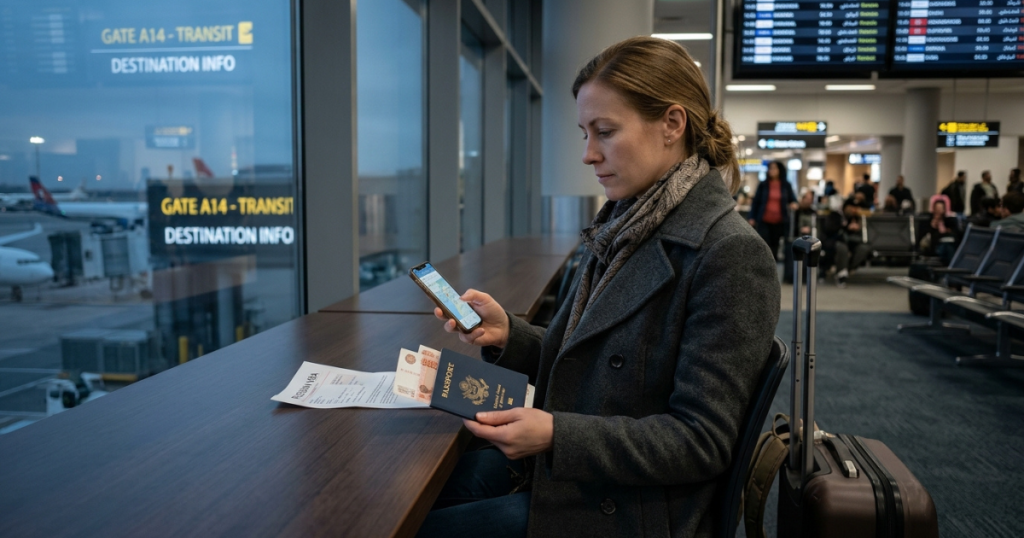
Can US Citizens Travel to Russia
Yes, US citizens can legally travel to Russia, because no US law bans it. However, the State Department rates Russia Level 4: Do Not Travel, and Americans need a regular Russian visa because they cannot use the e-visa.
Key summary: Legal, but strongly discouraged. The State Department advises against travel to Russia for any reason, citing war, terrorism, unrest and a significant risk of wrongful detention. The US also has limited ability to help Americans there.
What does the State Department say about traveling to Russia?
The State Department tells Americans not to travel to Russia for any reason. Its Level 4 advisory, reissued on December 29, 2025, cites terrorism, unrest, wrongful detention and other risks, and urges US citizens in Russia to leave.
The agency has kept Russia at Level 4 since early 2022. Its May 2025 advisory also said the risk of wrongful detention of US nationals is significant. Check the official advisory before you book anything, because the State Department can reissue it at any time.
Is it illegal for Americans to go to Russia?
No. A Level 4 advisory is a warning, not a legal ban. Americans can travel to Russia without breaking US law, but they accept serious practical, legal and safety risks that Washington cannot fully offset.
- No US travel ban: The US government does not prohibit tourist or business trips to Russia.
- No automatic penalty: Ignoring the advisory carries no fine, but it can affect travel insurance and employer approval.
- Sanctions still apply: US sanctions limit many financial and business activities, so check them before you pay for anything or sign a deal.
What are the main rules for US citizens at a glance?
Eight facts cover most of what a US traveler needs to know before considering a trip to Russia.
| Question | Short answer |
|---|---|
| Is travel legal under US law? | Yes |
| Current US advisory | Level 4: Do Not Travel |
| Can Americans use the Russian e-visa? | No |
| Which visa do Americans need? | A regular visa with an invitation or visa support letter |
| Does the US government have consular help there? | Very limited |
| Do dual US-Russian citizens face extra risk? | Yes, Russia may treat them only as Russian citizens |
| Do you need travel medical insurance? | Strongly recommended; confirm whether your visa office requires it |
| Biggest risk | Wrongful detention |
Do US Citizens Need a Visa for Russia?
Do US citizens need a visa to enter Russia?
Yes. US citizens need a regular Russian visa from a consulate or an authorized visa center before they travel. The United States has no visa-free agreement with Russia, and Russia does not issue visas on arrival to Americans.
An application normally needs an invitation or visa support document, a completed form from the Russian consular portal, a valid passport, a photo and the fee. Check each requirement with the Russian visa center before you pay anything.
Can US citizens get the Russian e-visa?
No. The United States is not among the 64 countries eligible for Russia’s unified e-visa, along with the UK, Canada, Australia and New Zealand. Americans must use the regular consular visa process instead.
The e-visa allows stays of up to 30 days for eligible nationalities. Several third-party sites sell “e-visa” services to US citizens, so be cautious about any site that promises one. Dual citizens who hold an eligible second passport can sometimes use it, but this raises separate legal questions covered below.
How do US citizens apply for a Russian tourist visa?
Americans apply in five steps: get an invitation, complete the online form, book an appointment or choose a visa center, submit documents and fees, then collect the passport and visa.
- Get a visa support document. A registered Russian tour operator or hotel issues a tourist voucher or invitation. A hotel booking confirmation alone may not be enough.
- Complete the online application. Use the official Russian consular visa portal, and match every detail to your invitation and passport.
- Choose where to apply. Russia has consulates in Washington, New York and Houston and works with visa centers in several US cities. Confirm that each office is open and which one serves your state.
- Submit your documents. Bring your passport, photo, invitation, application and payment.
- Wait for processing. Standard processing generally takes several business days at the consulate. Visa centers add their own handling and mailing time.
How much does a Russian visa cost for US citizens?
The consular fee for US citizens is reported at about $160 to $185 for a standard tourist visa, with higher fees for urgent processing. Visa centers, invitations and agencies add extra charges, so total costs vary widely.
| Cost item | Typical range | Notes |
|---|---|---|
| Consular fee (standard) | About $160 to $185 | Sources report different amounts, so confirm the current fee with the consulate |
| Urgent processing | Higher consular fee | Usually requires proof of urgency |
| Visa center service fee | Varies | Charged on top of the consular fee |
| Invitation or voucher | Varies by provider | Required for most visa types |
| Travel medical insurance | Varies | Strongly recommended even when not required to apply |
Visa fees are non-refundable if the consulate denies your application.
Can Americans get a 3-year multiple-entry Russian visa?
Yes. US citizens can apply for a 3-year, multiple-entry tourist, private, business or humanitarian visa. The Russian consulate in Houston says Americans may request a 3-year period starting from the entry date on their invitation.
This arrangement applies to US citizens specifically. Approval is still at the consulate’s discretion, and a multi-entry visa does not reduce any safety or detention risk.
Do US citizens need travel insurance for Russia?
The Russian visa center says US citizens do not need to show health insurance to apply for a visa. Several visa services still list medical insurance as mandatory, so ask your consulate or visa center before you apply.
Buy medical coverage either way. Some US health plans and travel policies exclude Russia or limit coverage in Level 4 destinations, so read the exclusions before you buy.
Can US citizens transit through Russia without a visa?
Assume you need a visa. Some layover travelers have reported needing a tourist visa, so contact the Russian consulate before you book any itinerary that stops in a Russian airport.
Is It Safe for US Citizens to Travel to Russia?
Is it safe for Americans to travel to Russia right now?
No. The State Department rates Russia Level 4: Do Not Travel because of the war with Ukraine, terrorism, unrest, drone attacks and a significant risk of wrongful detention. The risk covers tourists, business travelers and private citizens alike.
The advisory covers the whole country, with no lower-risk region. Reports in 2026 describe drone activity reaching several Russian cities, so even a trip that avoids politics carries physical risk.
Can US citizens be arrested or wrongfully detained in Russia?
Yes. The State Department says the risk of wrongful detention of US nationals is significant, and Russia has detained Americans on charges that families, advocates and Washington dispute. Detainees include private citizens, veterans, dual nationals and tourists.
Public cases show how varied the charges are:
- Charity donation: A dual US-Russian citizen received a treason conviction for donating about $50 to a US charity that supports Ukraine.
- Weapons on a yacht: A US sailor received a five-year sentence in January 2026 for arms smuggling, even though he declared a firearm on board in Sochi.
- Drug charges: Several Americans, including a musician and an English teacher, serve sentences on drug-related charges.
- Border and passport control: A US-Russian-Ukrainian citizen was detained at passport control in 2025 after traveling to Crimea and Ukraine.
How many Americans are held in Russia?
At least nine publicly identified Americans remain imprisoned in Russia, according to a Reuters factbox from October 2026, although the true number may be higher. Advocacy group the Foley Foundation put the figure near 28 in August 2026.
The counts differ because Russia controls information and many families stay quiet. Releases do happen, including Robert Gilman in August 2026 and Stephen Hubbard in October 2026, but they follow years of imprisonment and political negotiation.
What help can the US government give Americans in Russia?
Very little. The US Embassy in Moscow has had severe limits on assisting citizens since 2021, and Russian authorities may not notify the embassy of a detention or may delay consular access.
The State Department says it keeps providing consular assistance to detained Americans, whether or not it formally calls the detention “wrongful.” That designation moves a case into a dedicated government process, but it does not guarantee release. In practice:
- Detention notice: Russian security services may fail to tell the embassy that they have detained an American.
- Consular access: Visits and calls may face long delays.
- Departure help: The embassy has warned that it can do little to help Americans leave.
What other risks should US travelers expect?
Besides detention, US citizens face financial, legal and communications risks. Plan for each one before you decide to go.
| Risk | What to know |
|---|---|
| War and drone strikes | Reported drone activity has reached several Russian cities, including major ones |
| Terrorism | The advisory lists terrorism as a reason for Level 4 |
| Protests | Russia has arrested Americans who took part in demonstrations |
| Surveillance | Assume authorities can monitor phones, messages and social media |
| Banking | US-issued cards generally do not work, and sanctions limit banking |
| Limited flights | Direct US flights do not exist, and exits can change quickly |
What does the State Department tell Americans to do if they travel anyway?
The State Department tells Americans who ignore the advisory to enroll in the Smart Traveler Enrollment Program (STEP), keep a contingency plan that does not rely on the US government, and avoid protests. Share your itinerary with family and carry your passport and visa.
- Enroll in STEP so the embassy can send you alerts.
- Leave an itinerary with someone you trust, and check in on a fixed schedule.
- Avoid all political or social protests and do not photograph security personnel.
- Carry your US passport with a current Russian visa at all times.
- Plan your exit in advance, because flights and land routes can change suddenly.
- Keep emergency funds and contacts for a lawyer and a travel-insurance assistance line.