
What Is the Best Time to Visit Iceland? The Complete Month-by-Month Guide
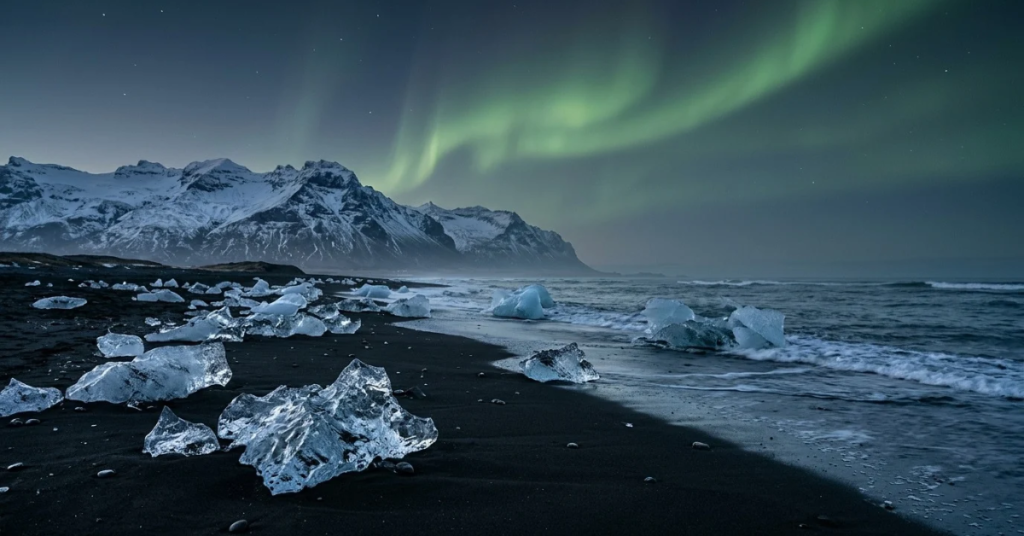
The short answer: The best time to visit Iceland depends on what you want to see. Choose June through August for midnight sun, open highland roads, and easy driving. Choose September through March for the Northern Lights. Choose late September or early May for a balance of lower prices, fewer crowds, and good conditions.
Nature and adventure lovers should aim for June to August. Northern Lights enthusiasts should target late September to March. Photographers and solo travelers should consider September, October, or April to May, when light, weather, and crowds work in your favor.
Key Takeaways
- Best overall: Late May to June, and September
- Best for Northern Lights: Late September through March (darkest, clearest nights)
- Best for midnight sun and hiking: June through August
- Best for puffins: May through August
- Best for ice caves: November through March
- Best for budgets: September to April, outside the Christmas and New Year’s weeks
- Biggest risk: Fast-changing weather and winter road conditions, so always check forecasts
Why Timing Matters So Much in Iceland
Iceland offers two completely different countries, depending on the season. Summer delivers nearly endless daylight, green valleys, and full road access. Winter delivers dark skies, auroras, snow-covered landscapes, and ice caves.
Daylight changes dramatically. Reykjavik gets roughly 4 hours of daylight in late December and close to 24 hours of light around the summer solstice.
The weather also changes quickly, and wind often matters more than temperature. Plan flexible days, and always carry layers.
Iceland Seasons at a Glance
Use this table to compare the main travel windows.
| Season | Months | Weather | Daylight | Crowds | Prices | Best For |
|---|---|---|---|---|---|---|
| Summer | June to August | Mild, often damp | 18 to 24 hours | Highest | Highest | Midnight sun, hiking, highlands, puffins |
| Autumn | September to October | Cool, changeable | 8 to 14 hours | Moderate | Moderate | Aurora plus fall colors, fewer crowds |
| Winter | November to March | Cold, snowy, windy | 4 to 13 hours | Moderate (peaks at holidays) | Moderate to high | Northern Lights, ice caves, snow scenery |
| Spring | April to May | Cool, thawing | 14 to 20 hours | Low to moderate | Lower | Whales, puffins, long days, fewer crowds |
Season dates vary by operator and region, so confirm details when you book tours and accommodations.
Iceland Weather and Daylight by Month
Iceland’s maritime climate stays milder than most people expect, but it changes fast. Reykjavik rarely sees extreme cold, yet wind and rain can make it feel harsh.
The figures below are approximate averages for Reykjavik. Conditions differ across the island, especially in the north and the highlands.
| Month | Avg. High | Daylight (approx.) | What to Expect |
|---|---|---|---|
| January | 2°C / 36°F | 4 to 7 hours | Dark, snowy, aurora season |
| February | 3°C / 37°F | 7 to 10 hours | Ice caves, strong aurora chances |
| March | 4°C / 39°F | 10 to 13 hours | Balanced light, aurora, winter scenery |
| April | 6°C / 43°F | 14 to 16 hours | Thaw begins, long days return |
| May | 10°C / 50°F | 17 to 20 hours | Puffins return, quiet roads |
| June | 12°C / 54°F | 20 to 24 hours | Midnight sun, highlands start to open |
| July | 14°C / 57°F | 18 to 21 hours | Warmest month, busiest travel period |
| August | 14°C / 57°F | 14 to 18 hours | Darkness returns, auroras begin late month |
| September | 11°C / 52°F | 11 to 14 hours | Fall colors, aurora, fewer crowds |
| October | 7°C / 45°F | 8 to 11 hours | Dark nights, storms possible |
| November | 4°C / 39°F | 5 to 8 hours | Short days, early snow, ice caves open |
| December | 2°C / 36°F | 4 to 5 hours | Festive, very dark, high holiday demand |
The Best Time to Visit Iceland by Traveler Type
Your ideal month depends on your goals. Here is how to match your trip to your travel style.
Best Time for Nature and Adventure Lovers
Choose June through August for the widest range of activities. Highland roads (F-roads) typically open in mid-to-late June, and hiking trails such as the Laugavegur reach their best condition in July and August.
Winter adventurers should consider November through March for ice caving, glacier hiking, and snowmobiling. Always book guided tours for glacier and ice cave activities.
Adventure highlights by season:
- Summer: Highland hiking, river rafting, horse riding, whale watching, and Ring Road road trips.
- Autumn: Hiking among golden tundra, fewer crowds, and the first auroras.
- Winter: Ice caves, glacier hikes, snowmobiling, hot springs, and frozen waterfalls.
- Spring: Puffin watching, whale watching, and waterfalls swollen with snowmelt.
Best Time for Northern Lights Enthusiasts
Aim for late September through March. Iceland needs dark skies, clear weather, and solar activity for a good aurora display.
The lights appear from late August to mid-April, but the darkest and most reliable stretch runs from September to March. No one can guarantee a sighting, so allow at least four to five nights.
Northern Lights tips that raise your odds:
- Check the aurora forecast on the Icelandic Met Office website and monitor cloud cover.
- Leave city lights behind. Drive to dark areas such as Þingvellir National Park or the south coast.
- Stay flexible. Cloud cover changes quickly, so move toward clearer skies.
- Join a guided tour if you do not plan to drive at night in winter.
- Dress warmly. Waiting for the lights often means long periods standing in the cold.
- Consider a longer stay. More nights mean more chances.
Best Time for Photographers and Solo Travelers
Photographers should target September, October, and March to April. Light stays soft for longer, and you can combine auroras, golden hour, and dramatic landscapes in one trip.
Summer delivers the midnight sun and extended golden hours, which help you capture waterfalls and coastal scenes at any time. Winter offers blue-hour glow, ice formations, and starry skies.
Solo travelers benefit from Iceland’s strong safety record and well-organized tours. Join small-group excursions in winter, and check road and weather conditions daily.
Photography and solo travel tips:
- Pack a sturdy tripod for aurora and long-exposure shots.
- Bring spare batteries, and keep them warm, because cold drains power fast.
- Shoot at sunrise and sunset in summer to avoid harsh midday light.
- Tell someone your route if you plan remote drives.
- Download offline maps, and check road.is and safetravel.is daily.
- Book small-group tours to meet people and reach places that are hard to drive alone.
Month-by-Month Guide to Visiting Iceland
November to March: Aurora and Ice Season
Winter brings long nights, snow-covered scenery, and the best aurora chances. Ice caves form in glaciers, and hot springs feel especially rewarding.
Daylight stays short, so plan your sightseeing carefully. Road conditions can change quickly, so check forecasts and travel with a flexible schedule.
Best for: Northern Lights, ice caves, and cozy winter trips.
April to May: Spring Awakening
Spring brings longer days, whales, and the return of puffins. Snow melts, waterfalls surge, and the crowds stay small.
Some highland roads and mountain trails remain closed. Weather swings between sun, rain, and snow, so pack for everything.
Best for: photographers, budget travelers, and wildlife lovers.
June to August: Midnight Sun Season
Summer brings nearly constant daylight, green landscapes, and full road access. Most tours and attractions run daily schedules.
Expect the highest prices and the biggest crowds, especially at popular spots on the Golden Circle and the south coast. Book accommodations and rental cars early.
Best for: hiking, highland adventures, road trips, and first-time visitors who want maximum access.
September to October: Fall Colors and Returning Auroras
Many seasoned travelers consider early autumn the best time to visit Iceland. Crowds thin, prices ease, and the aurora season begins.
Autumn also brings stormy days, so build flexibility into your plans. The tundra glows in red and gold, which photographers love.
Best for: Northern Lights beginners, photographers, and travelers who want fewer crowds.
Best Time to Visit Iceland by Region
Iceland’s regions behave differently, so choose your month based on where you plan to spend your time.
| Region | Best Months | Why |
|---|---|---|
| Reykjavik and the Golden Circle | Year-round | Accessible in every season |
| South Coast (Vik, Skógafoss, Jökulsárlón) | May to September, plus winter for ice caves | Easier driving in summer and ice cave access in winter |
| North Iceland (Akureyri, Mývatn) | June to September | Whale watching and open roads, with auroras in winter |
| Westfjords | June to August | Roads open and remote scenery at its best |
| East Fjords | June to September | Mild weather and quiet roads |
| Highlands (Landmannalaugar, Þórsmörk) | Late June to early September | F-roads open only in summer |
| Snaefellsnes Peninsula | May to October | Scenic drives with fewer crowds |
Wildlife and Seasonal Highlights
Iceland’s wildlife follows the seasons. Plan around the animals you want to see.
- Puffins: They nest on coastal cliffs and islands from roughly May through August.
- Whales: Whale watching runs year-round from some harbors, with the best sightings from roughly April to September.
- Icelandic horses: You can see and ride them in every season.
- Reindeer: Herds live in the east and appear most often in winter.
- Arctic foxes: They live in the Westfjords and appear year-round with patience.
Always keep a respectful distance and follow local guidelines to protect nesting birds and wildlife.
Events That Can Shape Your Trip
Events add flavor to your visit, but they also affect crowds and prices.
- Reykjavik Pride and Culture Night (August): Large crowds fill downtown Reykjavik.
- Iceland Airwaves music festival (November): Music fans fill hotels and venues.
- Christmas and New Year’s: Festive traditions draw crowds, and prices rise.
- Summer solstice celebrations (June): Events and festivals mark the longest day of the year.
Event dates change, so check official calendars before you finalize your plans.
Which Iceland Month Fits You Best? Quick Decision Guide
| If you want… | Visit in… |
|---|---|
| The best Northern Lights chances | September to March |
| Midnight sun and open highlands | Late June to August |
| Puffins | May to August |
| Ice caves | November to March |
| Lower prices | September to April (excluding holidays) |
| Fewer crowds | September, October, April, and May |
| Easiest driving | June to August |
Common Mistakes When Planning an Iceland Trip
Avoid these frequent errors to protect your time, safety, and budget.
- Booking only one or two nights for auroras. Cloud cover can block the lights, so allow more nights.
- Underestimating winter driving. Snow, ice, and wind can close roads, so check conditions daily.
- Skipping rain gear. Waterproof layers matter more than heavy coats.
- Trying to see everything in a few days. Distances are long, and weather slows travel.
- Booking late in summer. Hotels, rental cars, and tours sell out early.
- Ignoring daylight. Winter days leave limited sightseeing time.
- Leaving marked paths. Moss and fragile terrain take years to recover, and unstable ground can be dangerous.
Practical Planning Tips Before You Go
- Getting there: Keflavik International Airport (KEF) serves most international flights, and Reykjavik sits about 45 minutes away by road.
- Getting around: A rental car gives you the most freedom, especially in summer. Choose a 4×4 for winter and any F-road travel, and consider guided tours for glacier and ice cave activities.
- Where to stay: Reykjavik offers the most dining and tour options. Countryside guesthouses and hotels suit aurora hunters who want dark skies.
- Pack smart: Bring waterproof layers, thermal base layers, a warm hat and gloves, sturdy shoes, and a swimsuit for hot springs.
- Check conditions daily: Use vedur.is for weather and aurora forecasts, road.is for road conditions, and safetravel.is for safety alerts.
- Check current rules: Prices, fees, and entry requirements can change, so verify details with official sources before you travel.
Frequently Asked Questions
What is the best time to visit Iceland for good weather and fewer crowds?
Late May, early June, and September offer a strong mix of manageable weather and thinner crowds. Both windows also deliver lower prices than peak summer.
What is the best month to see the Northern Lights in Iceland?
September through March offers the best chances, with dark nights and active skies. Stay at least four to five nights to improve your odds.
What is the cheapest time to visit Iceland?
November through April, outside the Christmas and New Year’s weeks, usually brings the lowest prices. Shoulder months such as September and May also offer good value.
Is Iceland worth visiting in winter?
Yes. Winter offers auroras, ice caves, snowy landscapes, and fewer crowds. Plan shorter driving days and check road conditions daily.
When is the midnight sun in Iceland?
The midnight sun peaks around the summer solstice in late June. Light stays bright from late May through July.
When can you see puffins in Iceland?
Puffins arrive in spring and stay through August. May through early August offers the best viewing.
How many days do you need in Iceland?
Most travelers enjoy five to ten days. A week lets you explore the Golden Circle, the south coast, and Reykjavik, with extra time for auroras or a Ring Road drive.
Final Verdict: When to Book Your Iceland Trip
For most travelers, the best time to visit Iceland falls in late May to June or in September. You enjoy long daylight or early auroras, lower prices, and manageable crowds.
Choose June to August for the midnight sun, highland hikes, and the most access. Pick late September to March if the Northern Lights top your list.
Decide your priorities, book early, and Iceland will deliver.