
When Is the Best Time to Visit Glacier National Park? A Month-by-Month Guide
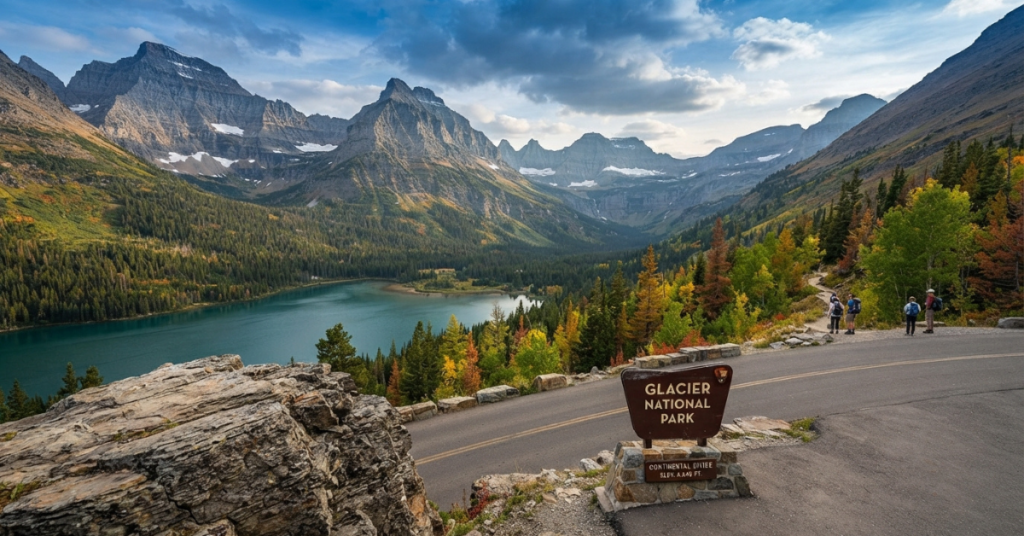
The When Is the Best Time to Visit Glacier National Park, when Going-to-the-Sun Road is fully open and most high trails are snow-free. If you want thinner crowds and golden larches, aim for the second and third weeks of September.
Your best month depends on what matters most to you. One 2026 guide calls mid-July through early September the best overall window, while another names September 5 to 25 as full access, golden light, bears in the berries and half the people.
Quick Answer: Best Time to Visit by Priority
| Your Priority | Best Time |
|---|---|
| Everything open, first-time visit | Mid-July to early August |
| Wildflowers at Logan Pass | Mid-July to early August |
| Fewer crowds, still open | Early to mid-September |
| Golden larches | Late September |
| Waterfalls and quiet trails | Late May to early June |
| Warmest weather and swimming | Late July to mid-August |
Month-by-Month Guide
May and June: Quiet, Snowy and Waterfall-Filled
Spring is Glacier’s secret season. The park and nearby Whitefish are much less busy in May and early June, before kids are out of school. The tradeoff is access, since not all roads and trails will be open.
June brings powerful waterfalls but many snow-covered trails. Cyclists can ride the Going-to-the-Sun Road before it opens to vehicle traffic.
July: Peak Access and Wildflowers
July is the best all-around month for a first visit. One guide says it combines long days, wildflowers, broad visitor services and a strong chance that Going-to-the-Sun Road is fully open. The weather runs about 80°F highs and 48°F lows.
The tradeoff is crowds. July is the most crowded month, with about 21,000 daily visitors. Snow can linger on high trails early in the month, since snow stays on trails until July.
August: Warm, Busy and Smoky Some Years
August brings the warmest, driest weather, and every trail and facility runs. It also brings the biggest wildcard. August is historically the driest month, which is good for hiking but raises wildfire risk.
Huckleberries ripen too. Berry season runs through August, which means peak bear activity.
September: The Local’s Choice
Many guides name September the best balance. Crowds drop after Labor Day while the road stays open. One guide notes that temperatures remain pleasant for hiking, smoke has typically cleared, bears are highly visible and western larch trees begin turning gold by late September.
Word has spread. Glacier set a September visitation record in 2024 with 602,339 visitors. Services also taper, and the Logan Pass shuttle ends on September 7 in the 2026 plan.
October: Quiet, With Closures Looming
The road is typically fully open to the third Monday of October, but snow can close it sooner. Expect early snow and reduced services.
November Through April: Winter
Avoid this window if you want the full park experience. One guide says that from November through April the alpine road is closed, most trails are under snow and in-park services are shut. The road is plowed and open year-round from West Glacier to Lake McDonald Lodge, weather permitting.
Going-to-the-Sun Road: When It Opens and Closes
The road is the park’s centerpiece, and it controls your timing. The 50-mile route over the Continental Divide at Logan Pass is fully open only about three to four months a year.
- No fixed opening date. 2026 opened to cars on June 22, and the typical range is late June to early July.
- Typical closing. Conditions permitting, it usually stays open until the third Monday in October.
- Plan for flexibility. The date moves with snowpack, so book refundable lodging.
For 2027, no date exists yet. Opening day will not exist until plow crews finish.
Crowds: How to Beat Them
July and August are the busiest months. July 2024 drew more than 750,000 visitors, and crowds thin after August 15 when schools start.
Use these tactics:
- Visit after Labor Day. September trades a few closures for much thinner crowds.
- Start at sunrise. One guide says to get there before 6 AM for parking and early trail access.
- Skip the famous trails. Grinnell Glacier, Highline Trail and Avalanche Lake will have crowds, but 700-plus miles of other trails won’t.
- Try shoulder season. Late May and early June work if you accept snow and closures.
Wildfire Smoke and Bears: Two Summer Variables
Wildfire Smoke
You can’t predict fire years, but August carries the most risk. Smoke risk remains through mid-September but drops by month’s end, and in active fire years smoke can shut viewpoints for days. Check air quality before you commit to a high-elevation hike, and build in a backup day.
Bears
Glacier has strong grizzly and black bear activity. Bear activity peaks on huckleberry trails in late July and August. Carry bear spray in an accessible holster, make noise on brushy trails and hike in groups.
2026 Access Rules and What to Expect for 2027
Access rules change almost every year. Glacier ran vehicle reservations for day visitors from 2021 through 2025 and switched them off for 2026.
In 2026, NPS used these tools instead:
- No vehicle reservations anywhere in the park. An entrance pass was still required.
- Logan Pass limits. The park limited parking to three hours from July 1 through Labor Day and ran a ticketed shuttle to the pass.
- Shuttle price. One guide lists the shuttle at $1, from July 1 to September 7.
For 2027, plans aren’t public yet. NPS announced the 2026 plan in mid-February, so watch for 2027 news in late winter. Check the NPS Glacier website before you book anything.
Fees to Budget For
- Entry: $35 per private vehicle for a 7-day pass in summer.
- International visitors: Glacier is one of eleven parks where each non-resident visitor aged 16 and over pays an extra $100, and a non-resident annual pass costs $250.
Best Time to Visit by Traveler Type
Summer Hikers and Road Trippers
Aim for mid-July to mid-August. The road is open, wildflowers peak at Logan Pass and every trail is accessible. Book lodging early and start hikes at dawn.
Budget and Crowd-Averse Travelers
Choose the first half of September. Crowds fall, the road stays open and shoulder-season rates often apply. Stay flexible, because early snow is possible in fall.
Families and National Park Collectors
Choose mid-July to early August for the widest service selection, boat tours and ranger programs. Collectors on a tight schedule can add Glacier to a September trip for lighter crowds.
Plan Your Trip: 6 Steps
- Pick your priority. Choose between full access, fewer crowds or wildflowers.
- Choose dates inside that window. Use the table above.
- Book refundable lodging. Road opening dates and smoke can change your plans.
- Check NPS pages in late winter. Look for 2027 access and reservation rules.
- Build a backup day. Smoke, storms or closures can force a swap.
- Pack for mountain weather. Bring layers, rain gear, bear spray and sun protection.
FAQ: Best Time to Visit Glacier National Park
What is the best month to visit Glacier?
July for a first visit with everything open, and September for fewer crowds.
When does Going-to-the-Sun Road open?
There’s no fixed date. 2026 opened June 22, and late June to early July is typical.
Do I need a reservation to visit Glacier?
Not in 2026. The 2027 rules haven’t been announced.
When are the fewest crowds?
Late May to early June and after Labor Day, though some areas stay closed in spring.
When does wildfire smoke peak?
August carries the most risk in many years, and September usually clears.
When can I see fall color?
Larches turn gold in the second half of September.
What month should I avoid?
November through April if you want the full park, and mid-July to mid-August if crowds bother you.
The Takeaway
Go from mid-July to early September for the full Glacier experience, or choose mid-September for lighter crowds and golden larches. Stay flexible on dates, plan around smoke and bears, and check NPS for the 2027 access plan before you book.