
When Is the Best Time to Visit London? A Month-by-Month Guide for 2027
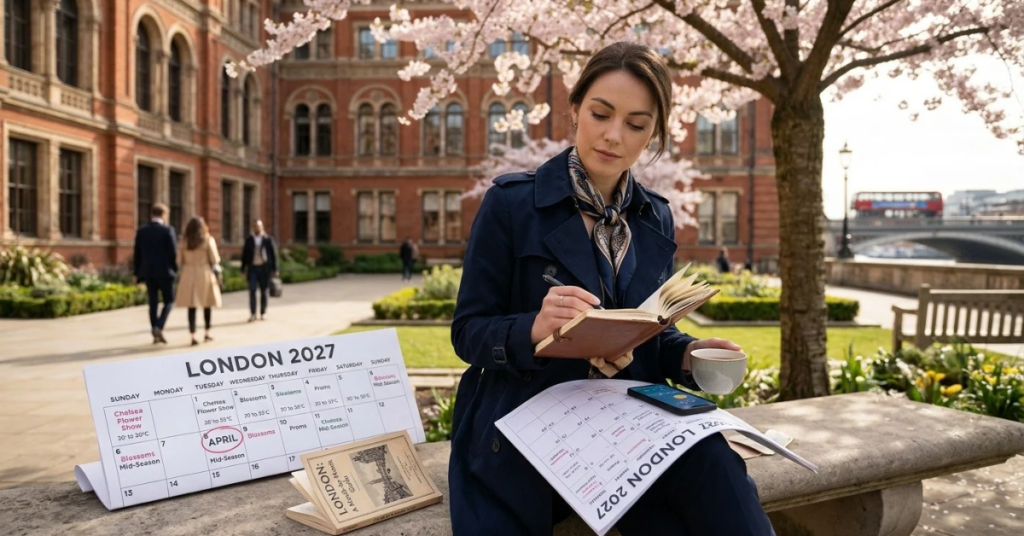
The Quick Answer
The when is the best time to visit london is May, June, or September. You get mild weather, long daylight, open parks, and hotel prices below the July and August peak.
Pick another window if your goals differ:
| Your goal | Best time |
|---|---|
| Best overall weather and value | May to early June, or September |
| Warmest weather and longest days | June to August |
| Lowest prices and quiet museums | January to March |
| Christmas lights and festive markets | Late November to December |
| Big events | See the 2027 calendar below |
It is November 2026 as I write, so this guide focuses on planning a 2027 trip.
London Weather by Month
London has a mild climate with rain spread across the year. Heathrow averages about 615 mm of rain annually, and monthly totals typically sit between about 40 and 60 mm.
| Month | Typical high | What to expect |
|---|---|---|
| January | 8°C / 46°F | Cold, short days; cheapest month; January sales |
| February | 9°C / 48°F | Cold; quiet museums; Lunar New Year festivities |
| March | 12°C / 54°F | Cool; early spring; Easter falls on March 28 in 2027 |
| April | 14°C / 57°F | One of the drier months; blossom in the parks |
| May | 18°C / 64°F | Mild and green; Chelsea Flower Show |
| June | 21°C / 70°F | Longest days, up to about 16.5 hours of daylight |
| July | 24°C / 75°F | Warmest month; peak crowds |
| August | 23°C / 73°F | Warm; school holidays; Notting Hill Carnival |
| September | 20°C / 68°F | Warm days, thinner crowds |
| October | 16°C / 61°F | Cooler; marginally wetter; autumn color |
| November | 12°C / 54°F | Damp and dark early; Christmas lights begin |
| December | 8°C / 46°F | Cold; around 8 hours of daylight; festive peak |
Heat note: Hot spells happen. Many older London buildings and Tube lines lack air conditioning, so pack light layers in summer. In summer 2026, London faced drought conditions and exceptionally high temperatures, according to Met Office commentary reported by local media.
Best Time to Visit London for First-Time Sightseers and Families
Choose May to early June or September. You get comfortable walking weather, long days, and manageable crowds.
Why these months work:
- Daylight: June offers up to about 16.5 hours of light for sightseeing.
- Parks: Hyde Park, Regent’s Park, and Kew look their best in late spring.
- Crowds: September crowds thin after school holidays end.
- Prices: Hotels run below the summer peak.
Family Planning Tips
- Avoid late July and August if you dislike crowds. UK and European school holidays fill attractions.
- Book timed-entry tickets for major sights in summer.
- Visit big attractions early in the day.
- Pack a light rain jacket. Showers can appear in any month.
- Use free museums on rainy days. Many of London’s national museums charge no entry for permanent collections.
Best Time to Visit London on a Budget
January to March is usually the cheapest window, according to Visit London, because of cool temperatures and a lack of public holidays and big events.
Guides also point to lower flight prices from North America in January and February. Shoulder months (April to May and September to November) typically cost less than peak summer.
| Window | Savings | Trade-offs |
|---|---|---|
| January to February | Lowest hotel rates and cheaper flights; some guides report 30% to 50% below summer rates | Cold, short days |
| March | Low prices, early spring | Changeable weather |
| September to early October | Fall rates reported roughly 20% to 30% below July and August | Cooler evenings |
| Early November | Low demand before Christmas | Dark, damp weather |
Hotel discount figures vary by source, so use them as rough guides and compare live prices.
Backpacker and Budget Tips
- Fly midweek and compare dates.
- Stay outside the center and use the Tube or buses.
- Pair free museums with free parks and markets.
- Avoid school holidays and bank holiday weekends for lower rates.
- Book ahead for summer. A guide recommends booking accommodation two to three months ahead for reasonable rates.
Best Time to Visit London for Culture, Festivals, and Events
London’s calendar is packed. Dates below are for 2027 where available, and several remain to be confirmed.
| Event | Typical timing | Notes |
|---|---|---|
| Lunar New Year | February (falls on February 6 in 2027) | Chinatown and Trafalgar Square festivities |
| London Marathon Double | April 24 and 25, 2027 | A one-time, two-day format; a record 1,338,544 people applied for 2027 places |
| Chelsea Flower Show | Late May | Confirm dates with the RHS |
| Trooping the Colour | June | The King’s official birthday parade; confirm the 2027 date |
| Wimbledon | June 28 to July 11, 2027 | Tickets are in high demand |
| Notting Hill Carnival | August 28 to 30, 2027 | Europe’s largest street festival, drawing about 2 million people |
| BFI London Film Festival | October | The 2026 edition screens 251 films from 88 countries |
| Bonfire Night | November 5 | Fireworks across the city |
| Hyde Park Winter Wonderland | Mid-November to early January | The 2026 edition returns with about 150 attractions; 2027 dates are to be confirmed |
| New Year’s Eve fireworks | December 31 | Ticketed viewing areas |
Event Planning Tips
- Book accommodation early for Wimbledon, Carnival, and the Marathon weekend.
- Check ticket release dates well before you travel.
- Expect Tube and road disruption on event days.
- Treat theatre as a year-round plan. January and February offer easier ticket availability, according to one guide.
What You Need Before You Fly: The UK ETA
Most visa-exempt visitors need a UK Electronic Travel Authorisation (ETA). It applies to visitors from the United States, Canada, Australia, and Europe, including infants.
- Cost: £20 since April 8, 2026, up from £16.
- Validity: two years, for stays of up to six months.
- Enforcement: the UK moved to full enforcement on February 25, 2026. Airlines can deny boarding without one.
- Exemptions: British and Irish citizens do not need an ETA.
Apply through the official UK government channels and avoid look-alike sites that add fees. Apply well before you book nonrefundable travel.
Seasonal Snapshot
| Season | Pros | Cons |
|---|---|---|
| Spring (March to May) | Mild weather, flowers, lower prices than summer | Variable weather |
| Summer (June to August) | Warm, long days, festivals | Highest crowds and prices; heat |
| Autumn (September to November) | Fewer crowds, cultural season begins | Wetter and cooler by November |
| Winter (December to February) | Lights, theatre, low prices in Jan and Feb | Cold, dark early |
Common Mistakes to Avoid
- Booking for August without checking prices and heat.
- Skipping an ETA.
- Assuming London is always rainy. Showers are frequent but usually light.
- Ignoring school holidays.
- Forgetting early darkness in winter.
Common Questions
What is the best month to visit London? May and September balance weather, crowds, and price.
What is the cheapest month to visit London? January and February, once the holiday rush ends.
Is London worth visiting in winter? Yes, for museums, theatre, lights, and lower prices. Plan for cold and short days.
When is London busiest? June to September, according to Visit London.
When is the best time to visit London for Christmas? Late November through December. Winter Wonderland and festive lights draw crowds.
Do I need to book far ahead? For summer and big events, yes. Consider two to three months ahead for accommodation.
Sources and Limits
This guide draws on Visit London, Met Office climate averages as reported by travel climate sites, event listings for 2027, UK Home Office ETA fee announcements as reported by VisasNews and The Points Guy, and several travel guides. Price and crowd percentages vary by source, so I present them as rough ranges.
Event dates, ETA rules, and fees change. Verify them with official sources before you book. This article provides general travel information.